In 2022, when I marked 20 years at Primostar, I wrote briefly about that journey – how I joined the company in March 2002, when it was just two years old, and how it gradually became the longest professional chapter of my life.
The four years since then have been significant for Primostar. The company’s development, which for many years focused on developing technologies and bringing solutions to market, has now reached the next stage. Primostar has evolved into a group whose goal is to bring its technologies to broader international markets and grow the company together with partners and investors.
A crucial step in this development was the establishment of Primostar Group and the company’s listing on the stock exchange. This has enabled the company to accelerate both its development work and its international expansion. At the same time, what has remained unchanged is the core of Primostar’s activities from the very beginning – the development of practical technological solutions for concrete structures.

Over the years, Primostar has developed various structural solutions and profiles used to improve the performance of concrete structures and simplify the construction process. These solutions have mainly emerged from solving practical problems – the question of how to build structures that perform better both during construction and decades later.
Around ten to fifteen years ago, one recurring issue began to appear more frequently in Primostar’s daily sales work and collaboration with construction sites and clients – cracking in concrete structures and the leaks associated with it.
Around 2010, Primostar started selling a crystalline additive designed to make concrete watertight and provide it with a certain degree of self-healing capability. In laboratory conditions and controlled environments, this solution performed well. In practice, however, it became clear that the stresses developing in real structures were often much greater than initially assumed.
Cracks that had initially self-healed began, over time, to allow water to pass through again. These situations were not isolated incidents but rather a recurring pattern across different projects. This often led to complicated disputes – who should inject the cracks and who was responsible for them.
It was precisely these repeated experiences that led to the idea of approaching the problem differently. If cracking cannot be completely avoided, it may be more practical to guide it to a controlled location from the start.
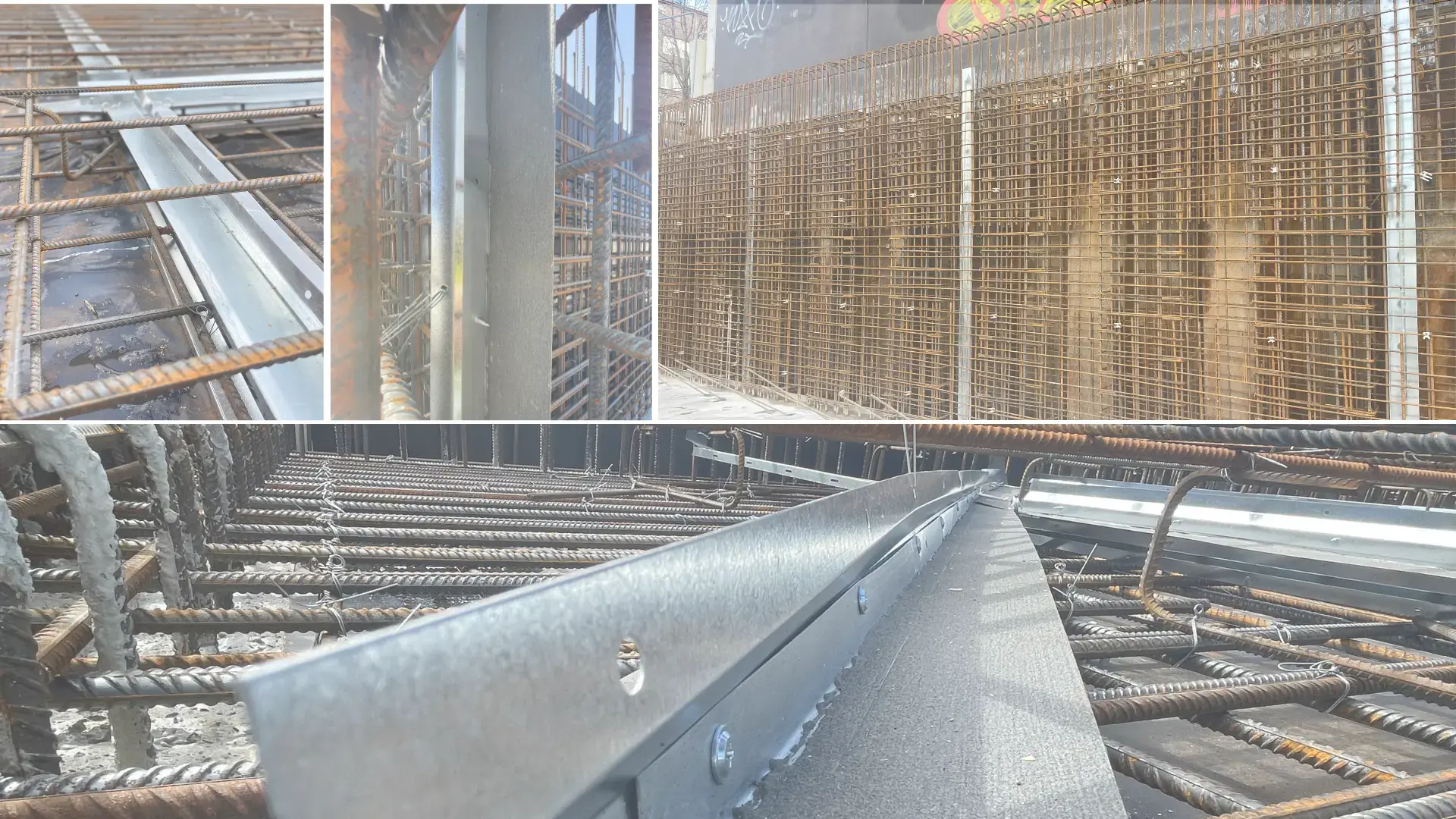
From this idea emerged the concept of a Crack Inducing profile with a keyway shape. Such a solution allows a controlled weakening point to be created within the structure without reducing its overall load-bearing capacity, while ensuring that cracking occurs at a predetermined location where it can immediately be sealed in a watertight manner.
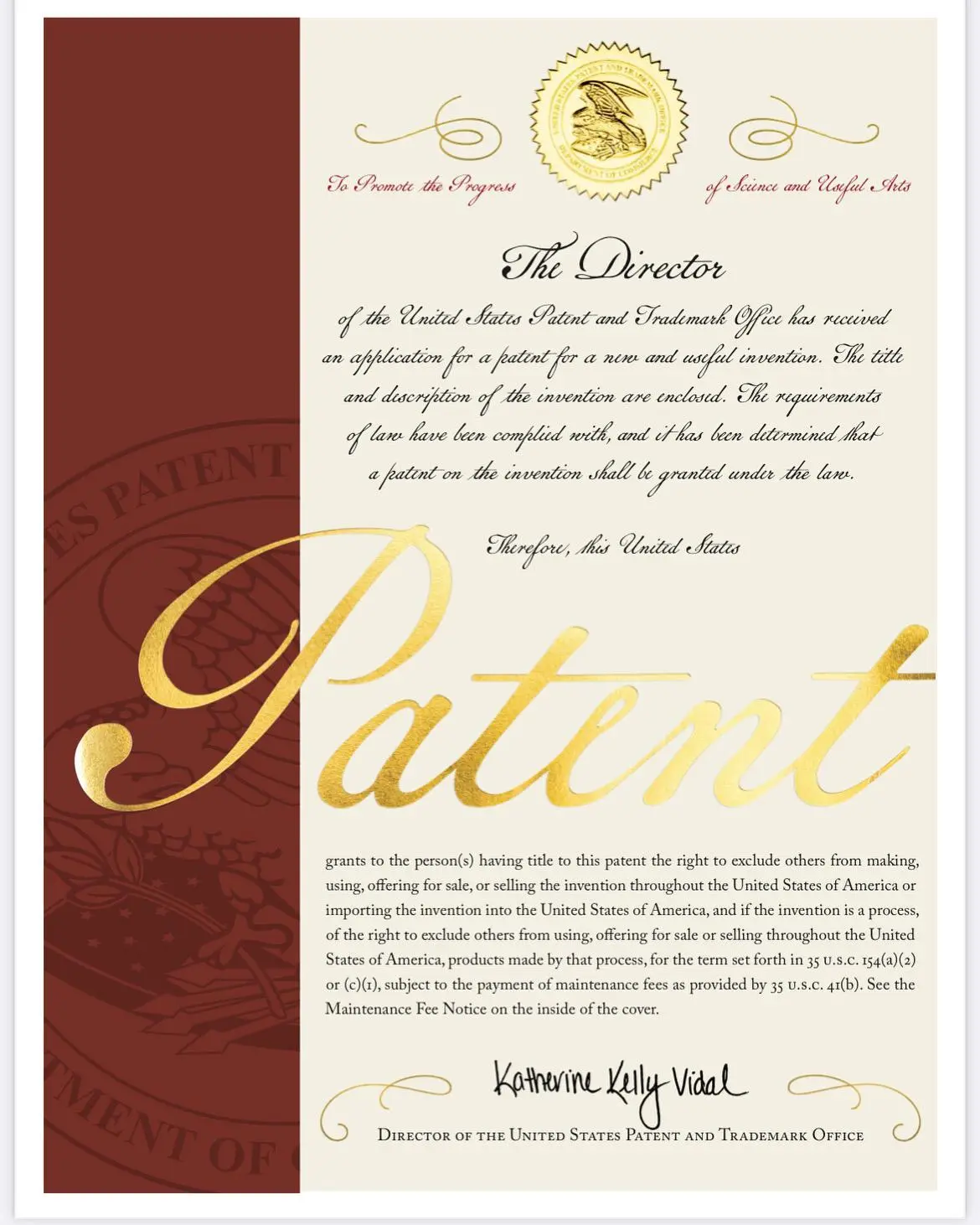
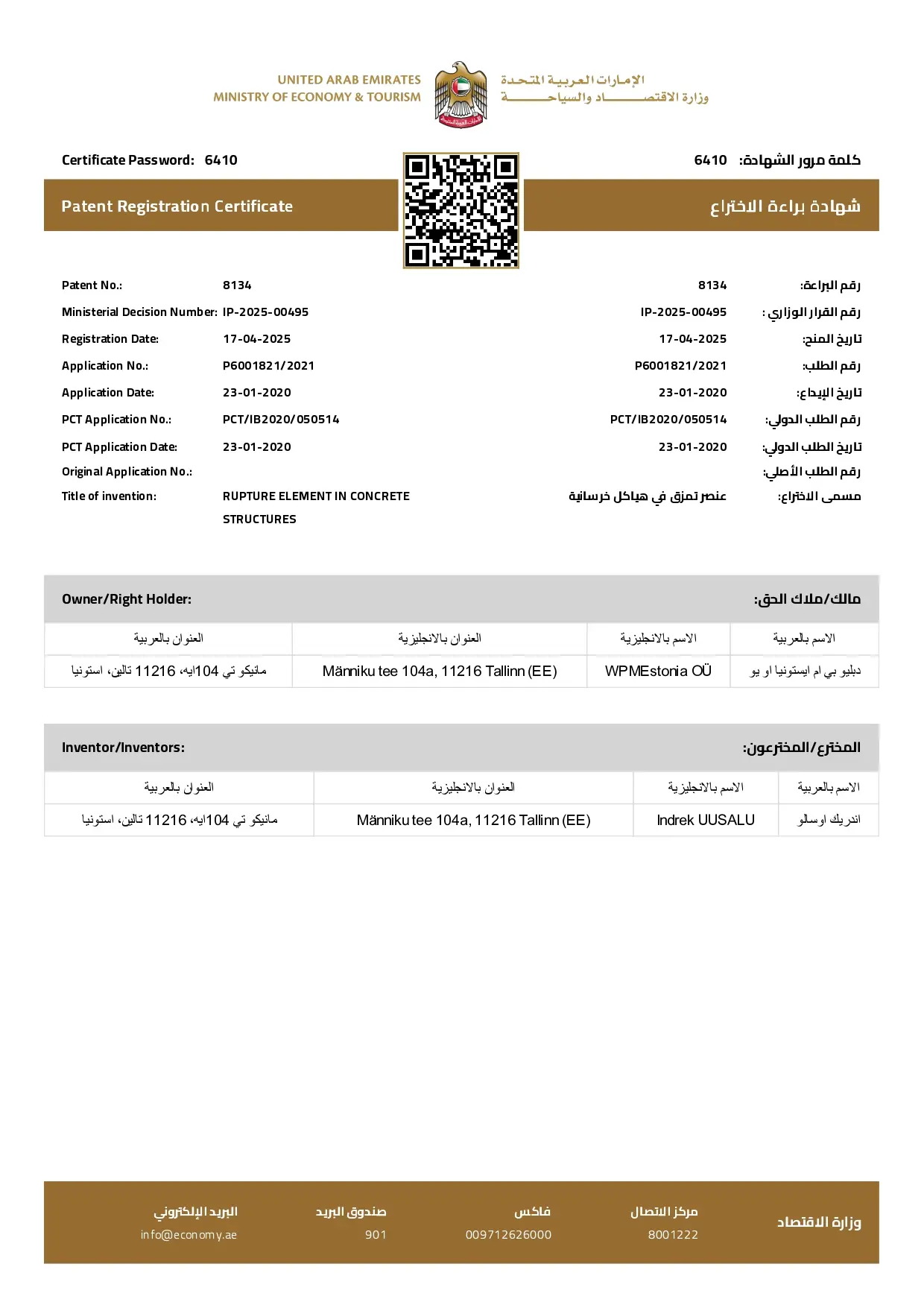
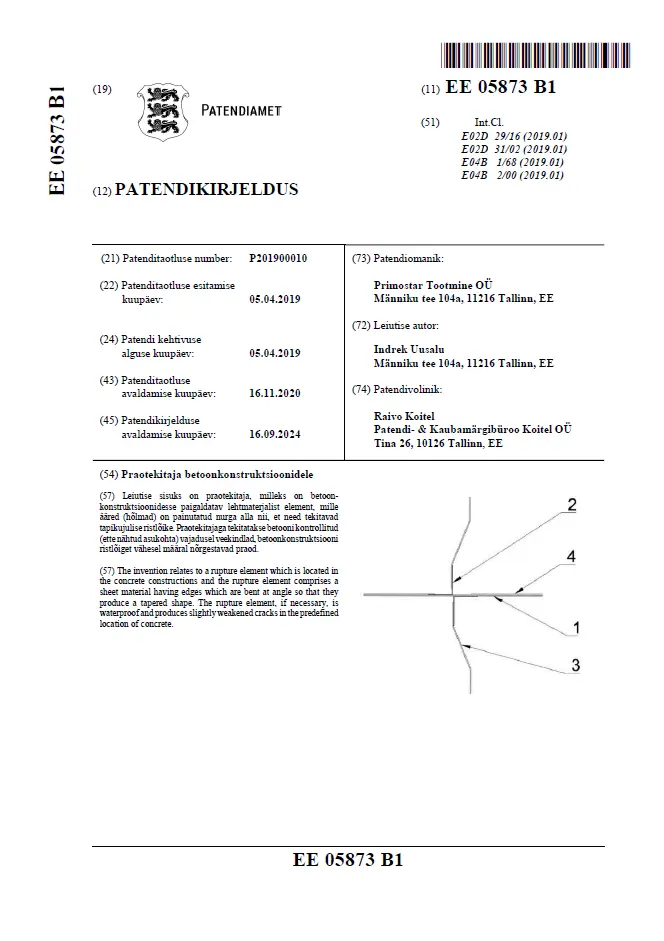
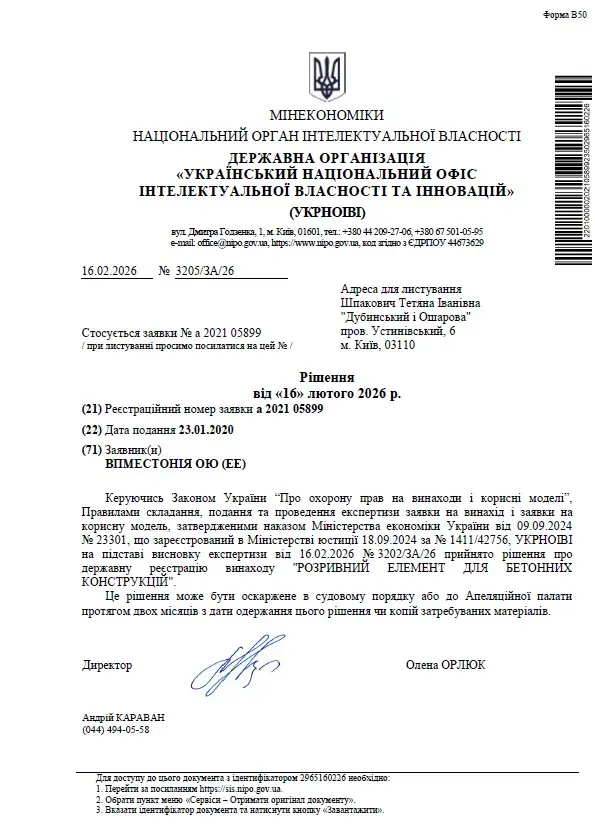
Today, this profile is patented in the United Arab Emirates, the United States, and Estonia. In March, we also received confirmation from Ukraine, and the European patent is currently pending.
Over the past decade, several Crack Inducing profiles and structural solutions have grown out of this way of thinking. Development work has not stopped in recent years. One of the more recent steps is a Crack Inducing supplied in rolls with quick-fastening elements, making the solution significantly easier and faster to transport and install on site.
Developments like these may seem like small steps, but it is through such steps that technologies gradually become standard solutions over time.
At the same time, the broader context in which infrastructure is designed and built has also changed. A few decades ago, the main focus was on structural strength and construction costs. Today, increasing attention is being paid to the lifecycle of structures and their environmental impact.
Traditionally, concrete structures are often designed for a service life of about 50 years. This has become something of a standard. However, the question arises whether this is actually sufficient, especially for underground structures.
Building underground is always an expensive decision. If that decision is made, the result should ideally last for centuries.
This way of thinking has also been at the core of Primostar’s technology development – seeking solutions that help concrete structures withstand the passage of time better and reduce the need for constant repair or reconstruction.
Looking back at the past 24 years, it is clear that development in the infrastructure sector happens slowly but steadily. Solutions that seem new today may become common practice in a few years or decades.
The next stage of Primostar’s development is to bring these solutions and this mindset to broader international markets and use the experience gained to help build infrastructure that lasts longer than current standards anticipate.

Infrastructure is not built only for today.
Often, it outlasts the generations who built it.
That is why it is worth thinking already today about how long the structures we build should truly last.
Building underground is always an expensive decision. If that decision is made, the result should last for centuries.